


What is Emo Aesthetic?
 emopantsSeptember 15, 20252 Mins read
The emo aesthetic is more than just a fashion statement—it’s a cultural style deeply tied to the emo music genre, characterized by emotional expression and individuality. With its dark clothing, moody makeup, and preference for black, white, or muted colors, the emo aesthetic extends beyond fashion into music, art, and personal style. At its core, it reflects introspection, authenticity, and emotional depth.
History of Emo Aesthetic
The emo aesthetic first appeared in the 1980s within the hardcore punk scene, developing as “emotive hardcore” or “emocore.” It stood out with emotionally charged lyrics and raw expression, contrasting the aggressive edge of punk.
In the 1990s, bands like Sunny Day Real Estate and The Get Up Kids refined the genre, shaping the identity of emo both musically and visually. The early 2000s marked its mainstream breakthrough, driven by social media platforms like MySpace and bands such as My Chemical Romance and Fall Out Boy. Fashion trends of this era included tight jeans, band tees, heavy eyeliner, and a mostly black wardrobe.
Despite criticism and stereotypes, emo remained about authenticity and emotional honesty. Over time, it has continued to evolve, blending with other styles while staying true to its roots. Today, the emo aesthetic thrives as a symbol of individuality and emotional expression, influencing youth culture, music, and fashion around the world.
Key Elements of Emo Aesthetic
Emo Clothes
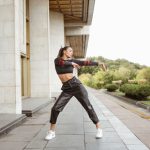
Emo fashion is defined by dark, moody, and layered styles. Common pieces include:
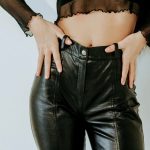
- Black skinny jeans with distressed details
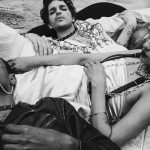
- Band t-shirts showcasing punk or emo bands
- Oversized hoodies, denim jackets, or leather jackets
- Studded belts, wristbands, chokers, and layered accessories
- Converse or Vans sneakers in dark shades
- Fishnet tights, striped shirts, and graphic prints with skulls or hearts
- Multiple piercings and edgy jewelry
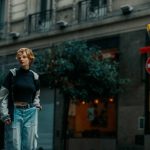
Layering is central to the emo aesthetic, often combining flannels, cardigans, or hoodies with tees to create depth and contrast.
Emo Makeup
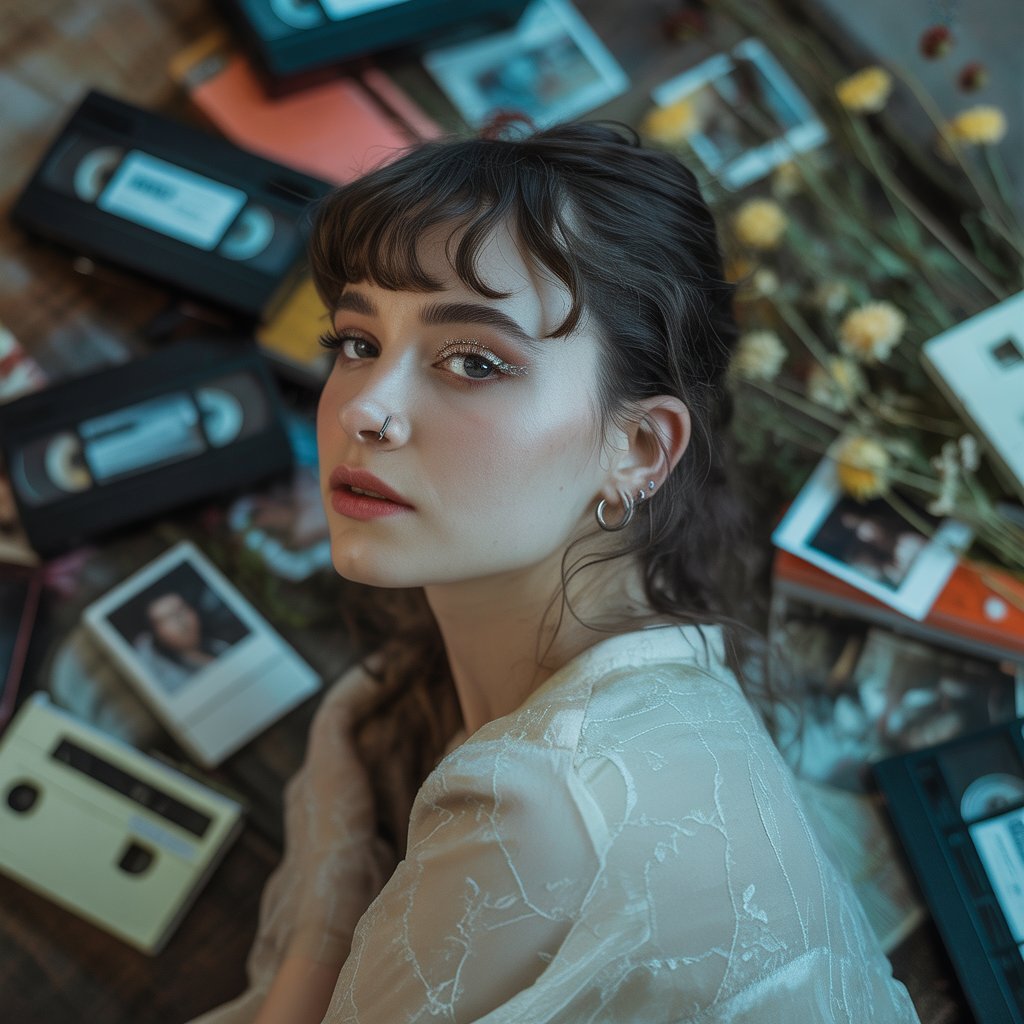
Makeup plays a big role in emo fashion. Heavy black eyeliner is the most recognizable element, paired with dark eyeshadows and muted or pale lip colors. The goal is to create a dramatic, emotional appearance that reflects inner feelings.
Emo Hairstyles
Hair is one of the most defining features of emo style. Popular looks include:
- Long, layered cuts with side-swept bangs covering one eye
- Deep black hair dye, often with colorful streaks or highlights
- Asymmetrical cuts, undercuts, or shaggy layers
- Emo pixie cuts or layered bobs for shorter styles
- Sleek straight hair for a more polished, dramatic effect
These hairstyles emphasize individuality, often combining bold cuts with striking colors.
Emo Music and Attitude
The emo aesthetic is inseparable from emo music, a subgenre of punk and indie rock. Bands like Panic! at the Disco, Fall Out Boy, and My Chemical Romance shaped the culture with music that speaks to vulnerability, love, and loss. Beyond music and fashion, the emo attitude is about authenticity, emotional honesty, and introspection.
Emo Art and Design
The influence of the aesthetic also extends into art, often featuring dark, melancholic themes in black and white or muted colors. Skulls, broken hearts, and symbolic imagery often appear in designs, emphasizing emotion and creativity.
Why Emo Aesthetic Still Matters
At its heart, the emo aesthetic has always been about self-expression. While it may seem heavily based on fashion or makeup, the true essence lies in being authentic and embracing emotions without fear. Emo remains inclusive, welcoming anyone who dares to express themselves honestly. Whether through clothing, music, or art, the emo aesthetic continues to inspire individuality and creativity today.



Related Articles

Emo Cargo Pants Trend Report 2026
Discover the hottest emo cargo pants trends for 2026. From oversized silhouettes...

5 Ways to Wear Skinny and Tripp Emo Pants
Discover five creative styling ideas for skinny and Tripp emo pants. From...
5 Ways to Wear Baggy Emo Pants Like a Pro
Discover five stunning ways to style baggy emo pants for any occasion....


5 Ways to Wear Emo Cargo Pants
Discover five edgy styling methods for emo cargo pants. From grunge layers...

Leave a comment