




Goth vs Emo: What’s the Real Difference? | Emo Pants Edition
 emopantsOctober 1, 20252 Mins read
In the world of alternative fashion, it’s easy for outsiders to confuse goth and emo. Both styles lean heavily on dark aesthetics, bold music, and unique fashion statements. But if you look closer, you’ll see that these are two distinct subcultures with their own vibes, roots, and wardrobes.
At EmoPants.com, we know that what you wear is more than just clothing—it’s self-expression. Whether you’re rocking baggy emo pants, skinny jeans, or a mix of both worlds, understanding the differences between goth and emo helps you choose the right fit for your alternative lifestyle.
How Is Goth Defined?
The goth scene began in the 1980s UK, rooted in post-punk and gothic rock bands like Bauhaus and Siouxsie and the Banshees. Goth fashion is all about black clothing, Victorian-inspired outfits, leather, lace, and bold accessories.
Classic goth style tends to be theatrical, romantic, and heavily influenced by dark literature, horror, and mysticism. Think long coats, corsets, combat boots, and dramatic makeup.
How Is Emo Defined?
Emo, short for emotional hardcore, rose in the late 90s and early 2000s, powered by bands like My Chemical Romance, Fall Out Boy, and Dashboard Confessional. Unlike goth’s Victorian roots, emo fashion leaned into streetwear with a twist:
- Tight skinny jeans or emo baggy pants
- Band tees and striped shirts
- Dark hoodies and studded belts
- Dyed black hair with side fringes
Music-wise, emo was emotional, confessional, and highly relatable to teens navigating love, heartbreak, and identity.
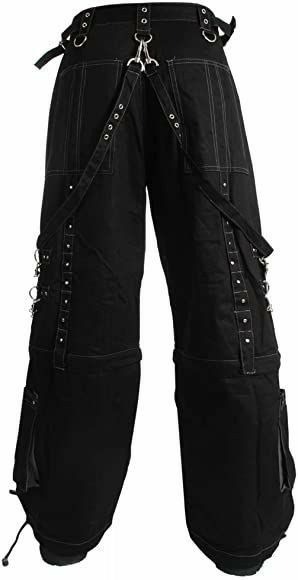
Goth vs Emo Fashion: Where Emo Pants Come In
Both subcultures embrace dark aesthetics, but here’s the difference:
- Goths go all in with black-on-black outfits, lace, leather, and Victorian flair.
- Emos mix casual streetwear with emotional expression—where emo pants play a starring role.
Whether you prefer emo baggy pants with chains and pockets or tighter cuts for a sleek look, pants are the ultimate symbol of emo style. At EmoPants.com, we celebrate this by offering styles that fit every emo personality—from edgy and bold to casual and expressive.
Similarities Between Goth and Emo
- Both love dark clothing with hints of dramatic flair.
- Both use heavy eyeliner and expressive makeup.
- Both subcultures deal with deep emotional or existential themes.
Key Differences Between Goth and Emo
- Origins: Goth grew from punk in the 80s; emo blew up in the 2000s.
- Style: Goth fashion is Victorian and punk-influenced; emo fashion is streetwear-inspired with iconic baggy emo pants and band tees.
- Music: Goth rock is dark and atmospheric; emo leans on heartfelt, emotional lyrics.
- Longevity: Goth has remained steady; emo had a huge mainstream boom but now thrives underground with cult popularity.
Are Goth and Emo the Same Thing?
Not at all. They share similarities but stand as separate alternative subcultures. And while goth fashion is dramatic and timeless, emo fashion—especially emo pants—continues to be the defining piece of emo identity.
So, whether you’re a nostalgic 2000s emo kid or discovering the scene today, emo baggy pants are the perfect way to embrace the style and make it yours.
FAQs About Emo Pants
Q1: What are emo pants?
A: Emo pants are statement trousers, often skinny or baggy emo pants with chains, straps, or bold designs.
Q2: Can I style emo pants with goth outfits?
A: Yes! Emo baggy pants can easily blend with gothic tops, hoodies, or boots.
Q3: Do emo baggy pants come in different colors?
A: Mostly black, but some feature red, purple, or graphic designs for extra flair.
Q4: Where can I buy emo pants online?
A: Right here at EmoPants.com—your one-stop shop for authentic emo style.



Related Articles

Unleash Your Edge: Cyber Goth Pants Women, Emo Cargo Pants Men & Y2K Emo Pants Baggy Styles
If you live and breathe emo fashion, you know it’s more than...

Elevate Your Style: Goth Cargo Pants with Chains, Female Emo Pants High Waist & Skater Goth Pants Mens
Looking to rock your emo look like never before? At EmoPants.com, we...

Rock Your Style with the Best Emo Cargo Pants: Ultimate Guide to Emo Pants Baggy & Emo Pants Mens Fashion
Are you ready to transform your emo wardrobe? Nothing screams edgy and...


Rock Your Style with the Coolest Pants Emo: Ultimate Guide to Ladies Trip Pants & Tripp Pants
Step up your emo fashion game with the trendiest pants emo that...

Leave a comment