




Goth Style Guide: Evolution of Gothic Outfits Throughout the Years
 emopantsSeptember 24, 20253 Mins read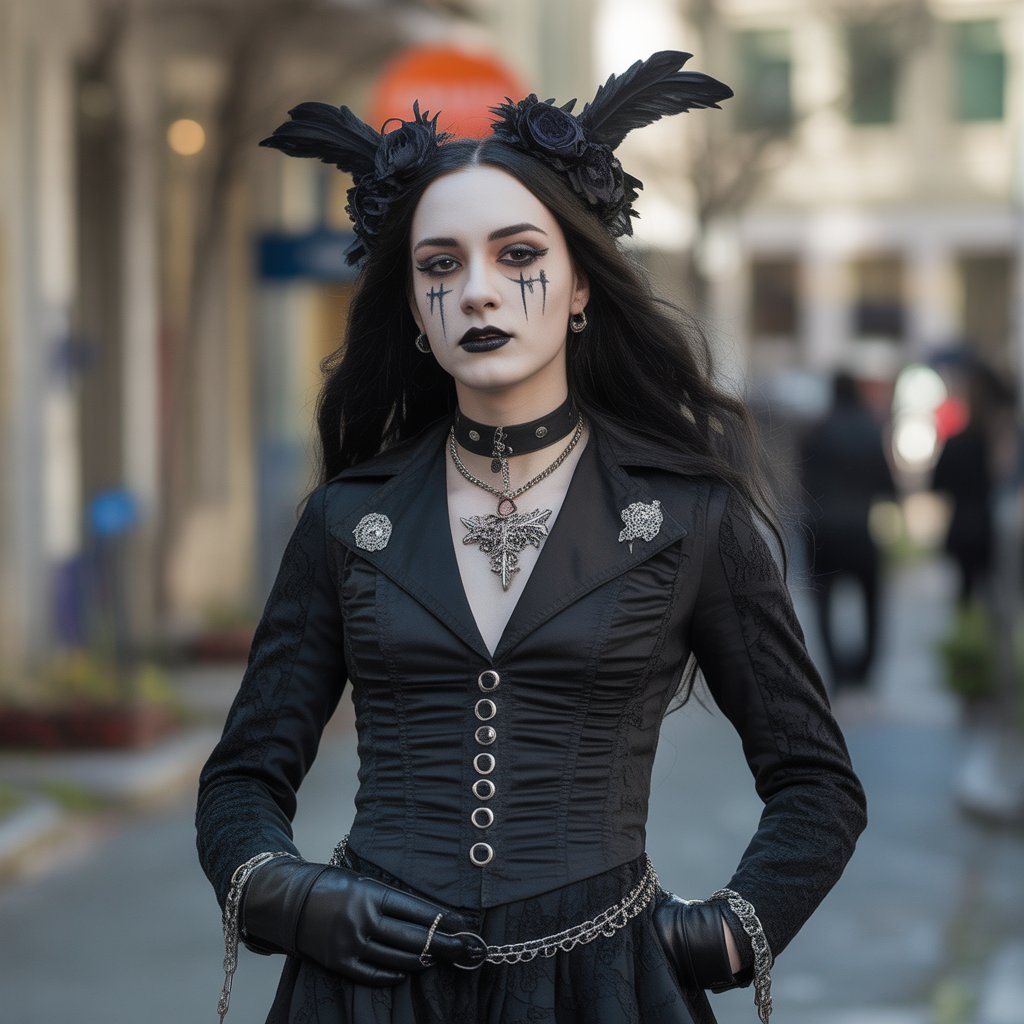
Goth fashion is more than just a trend—it is a cultural movement deeply rooted in literature, music, architecture, and individual expression. Since the 1980s, Womens Gothic Outfits have been shaping alternative culture, inspiring catwalks, music scenes, and even mainstream fashion. Dark, mysterious, and romantic, this style has continuously evolved while staying true to its origins.
What is Goth?
The goth subculture emerged as a powerful blend of music, fashion, and literature. Inspired by Medieval, Edwardian, and Victorian influences, along with Gothic architecture and dark romanticism, goth is often associated with mystery and creativity. From bands like Bauhaus and Siouxsie and the Banshees to the cinematic influence of movies such as Nosferatu and The Crow, gothic aesthetics became a way for people to express individuality.
Unlike punk or hippie movements, goth culture has always been rooted in personal expression rather than activism. It embraces tolerance, diversity, and creativity, celebrating the beauty of the dark and dramatic.
Evolution of Gothic Outfits Through the Decades
Gothic Fashion in the 1980s
The 80s saw the birth of Gothic Outfits inspired by punk rebellion and Victorian elegance. Black clothing, lace, corsets, and dramatic makeup became iconic. Figures like Siouxsie Sioux defined the early goth look with dark eyeliner, pale skin, and bold lipstick.
Gothic Fashion in the 1990s
The 90s brought mini-skirts, skinny jeans, and heavy leather jackets into goth wardrobes. Music culture strongly influenced fashion, with gothic rock and industrial aesthetics blending seamlessly with street style.
Gothic Fashion in the 2000s
During the early 2000s, goth evolved into more experimental looks. Dual-tone hair, dreadlocks, and cut-out gloves became popular. Models showcasing Womens Gothic Outfits brought the subculture into mainstream recognition.
Gothic Fashion in Present Day
Modern goth fashion continues to inspire high-end designers like Rick Owens and Yohji Yamamoto. Today, Gothic Outfits embrace diversity—spiked accessories, plaid skirts, layered chains, and platform boots are all part of the mix. What makes the style unique is its adaptability; it blends past traditions with modern creativity.
Different Types of Gothic Fashion
Traditional Goth
Characterized by leather jackets, fishnets, big boots, and Victorian-inspired pale makeup, traditional goths draw inspiration from the music scene of the 80s.
Romantic Goth
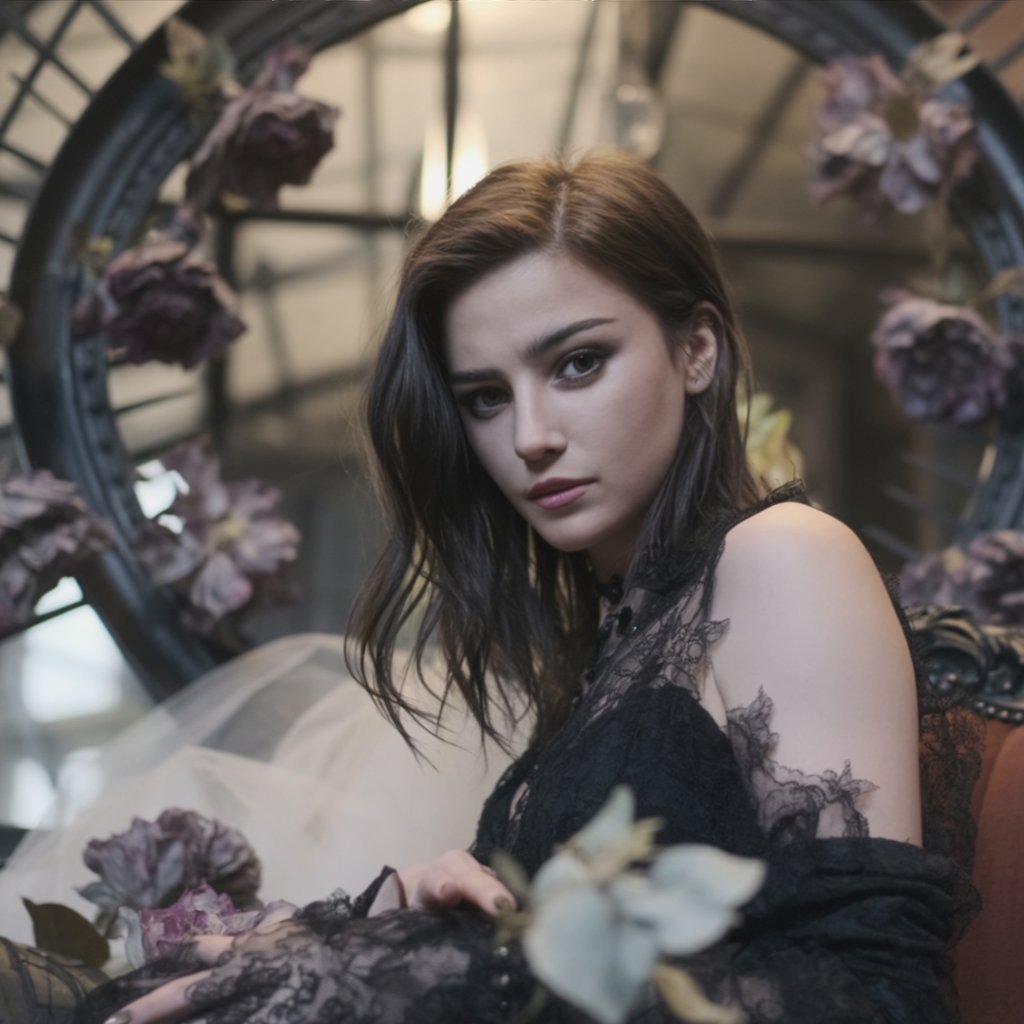
Perfect for those drawn to literature and poetry, the Gothic Romance Outfit focuses on lace, velvet gowns, and hints of red for a dramatic flair. This style emphasizes elegance, often blending Victorian and artistic influences to create ethereal looks.
Pastel Goth
A fusion of Kawaii and goth aesthetics, this sub-style combines soft colors with dark elements, making it playful yet edgy.
Hippie Goth
Flowing dresses, bandanas, and pagan influences define this style. Spiritual symbols and earthy vibes merge with dark tones to form a mystical look.
Vampire Goth
Inspired by classic horror tales, this style uses lace, velvet, pointed accessories, and blood-red accents. It channels the timeless allure of gothic vampires.
Cyber Goth
Defined by neon dreadlocks, baggy pants, and chains, cyber goth merges futuristic and industrial aesthetics with glowing accessories.
Bubble Goth
A modern creation blending light and dark contrasts into unique, experimental outfits.
Tribal Goth
Heavily influenced by belly dancing styles, this look mixes traditional goth aesthetics with exotic patterns and accessories.
Casual Goth
For everyday wear, casual goth uses black staples while incorporating flexibility in colors and fabrics. It’s comfortable yet stylish, making it accessible for daily looks.
Mexican Gothic
A growing influence in fashion, Mexican Gothic combines traditional gothic style with cultural and regional elements. Embroidery, folkloric patterns, and dramatic accessories make this sub-style stand out, blending cultural depth with gothic elegance.
Why Gothic Outfits Continue to Inspire
The beauty of Womens Gothic Outfits lies in their adaptability. They allow individuals to mix literature, history, and modern trends to create personal expressions. Whether you prefer the dramatic elegance of a Gothic Romance Outfit, the modern edge of cyber goth, or the cultural richness of Mexican Gothic, there is a gothic style for everyone.
Conclusion
Goth fashion is not just clothing—it’s a lifestyle, an art form, and a way of embracing individuality. Over the years, Gothic Outfits have evolved, yet the core remains the same: celebrating mystery, creativity, and romance in all its forms. From traditional looks to modern interpretations, gothic style continues to thrive, reminding us that darkness can be just as beautiful as light.




Related Articles
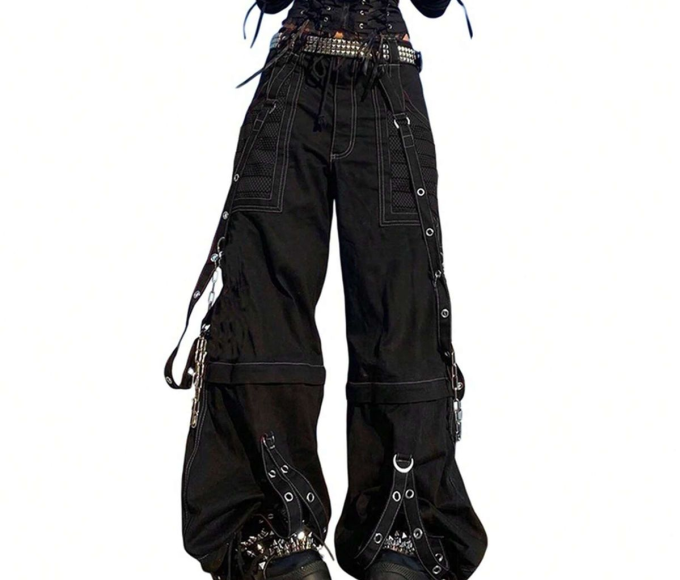
Upgrade Your Edge: Goth Cargo Pants with Chains, Female Emo Pants High Waist & Skater Goth Pants Mens
Looking to elevate your emo or goth wardrobe? At EmoPants.com, we know...

Level Up Your Style with Emo Cargo Pants: Baggy, Bold, and Unstoppable
Looking for the perfect mix of edgy fashion and ultimate comfort? Step...

Step Up Your Style: Pants Emo, Ladies Trip Pants & Tripp Pants for the Ultimate Emo Look
Express your individuality and embrace the alternative fashion vibe with pants emo...


Rock Your Style with Pants Emo: The Ultimate Guide to Ladies Trip Pants and Tripp Pants
Want to elevate your emo wardrobe and make a bold statement? Pants...

Leave a comment