






Gothic Style Guide: Architecture and Art
 emopantsSeptember 24, 20253 Mins read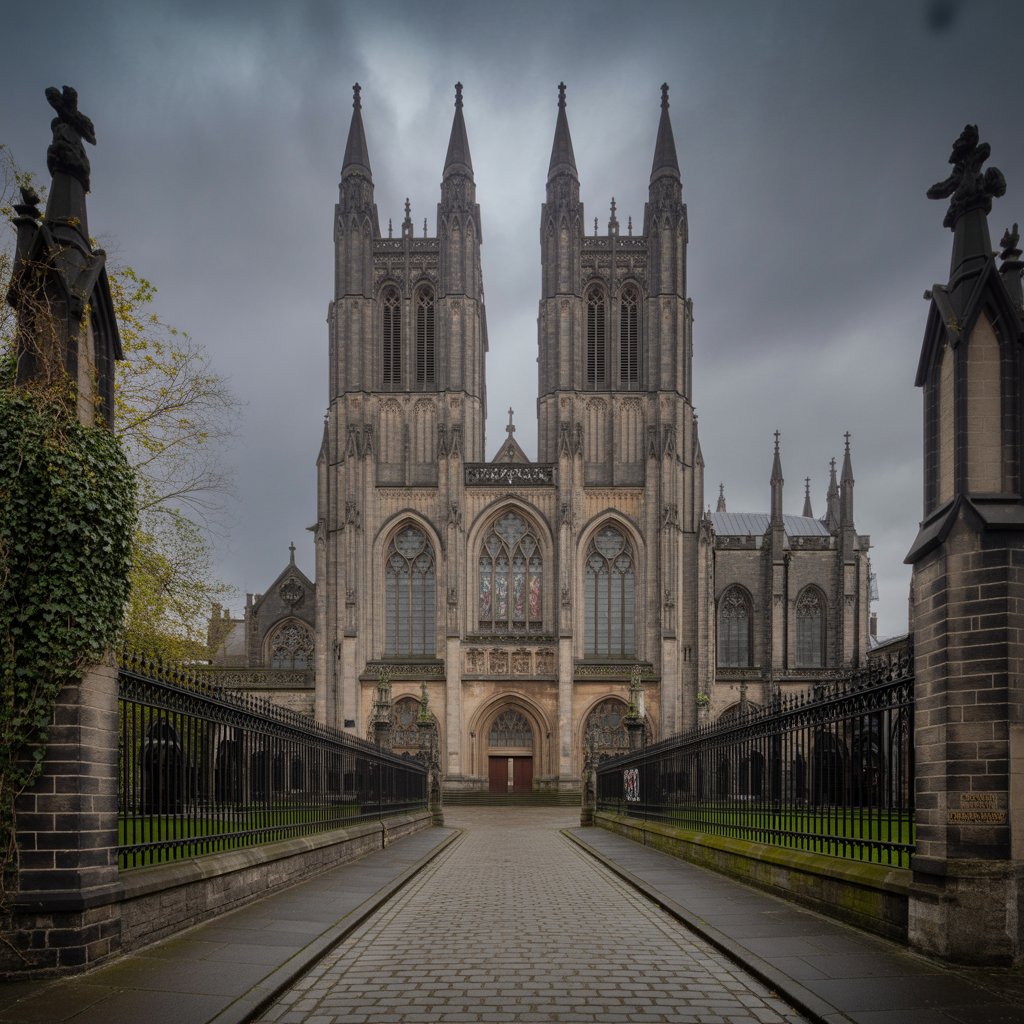
The Gothic style is one of the most fascinating and influential movements in European history. Emerging in the 12th century and lasting until the 16th century, it began in the region around Paris and soon spread across France, England, Germany, Spain, and beyond. This unique style first flourished in churches and cathedrals, before influencing castles, palaces, sculptures, paintings, and even furniture design.
Preceded by the Romanesque style and succeeded by the Renaissance, the Gothic movement became a symbol of faith, innovation, and artistic grandeur. With its dramatic features, intricate details, and emphasis on light, it continues to inspire admiration centuries later.
Where Does the Word Gothic Come From?
Interestingly, during its own era, the Gothic style was not called “Gothic” at all. Instead, it was known as opus francigenum (French work). The term “Gothic” came later, coined by Renaissance scholars who viewed the style as barbaric compared to the classical traditions of Rome. They associated it with the ancient Goth tribes, who were blamed for the fall of the Roman Empire.
Although meant as an insult, the term stuck, and over time the Gothic style shed its negative meaning. Today, it represents beauty, spirituality, and some of the most iconic masterpieces in European history.
Origins of Gothic Architecture
The rise of Gothic Architecture was closely tied to the Catholic Church, which had growing influence in medieval Europe. With advances in stonemasonry, builders were able to create taller, more complex structures than ever before. The earliest major example is the Abbey of Saint-Denis in Paris, built in 1140. Its innovative design, including pointed arches and stained glass, set the standard for centuries to come.
From Paris, the style quickly spread throughout Europe. Churches, abbeys, cathedrals, and even castles adopted the Gothic aesthetic, turning cities into showcases of monumental artistry. By the late 14th century, most of Europe had embraced this architectural movement.
Key Features of Gothic Architecture
What makes Gothic Architecture so distinctive is its combination of structural innovation and decorative detail. Some of its most recognizable features include:
- Pointed arches – A departure from the rounded Romanesque style, these arches allowed greater height and stability.
- Ribbed vaults – Intersecting arches that distributed weight, enabling soaring ceilings.
- Flying buttresses – Exterior supports that gave buildings strength while allowing for thinner walls and larger windows.
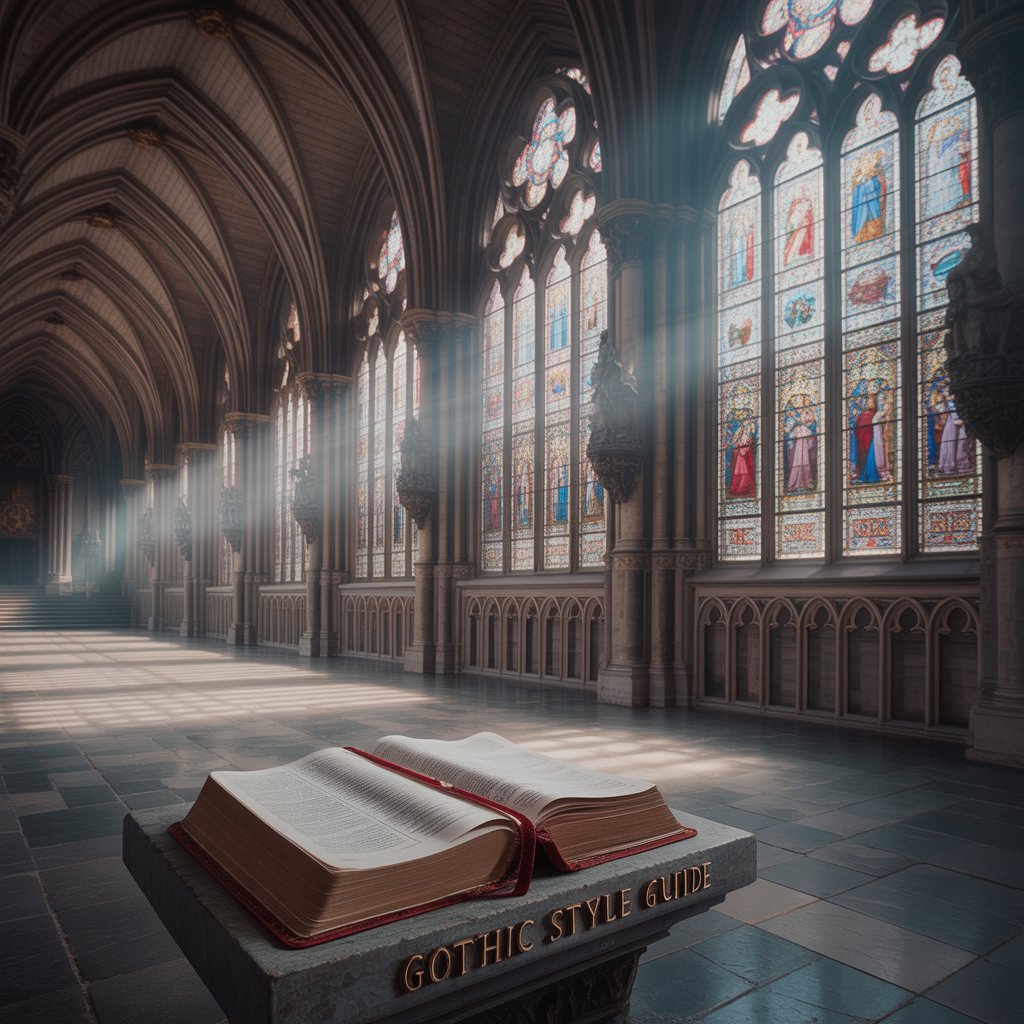
- Stained glass windows – Especially rose windows, which filled interiors with vibrant, colorful light.
- Intricate stone carvings – Including statues, grotesques, and gargoyles, both decorative and functional.
Rather than focusing on dark, heavy structures, Gothic Architecture celebrated light, height, and divine inspiration. Cathedrals like Notre-Dame de Paris, Reims Cathedral, and Cologne Cathedral are prime examples of this grandeur.
Gothic Sculpture
Sculpture was an essential part of Gothic Art. Figures of saints, biblical characters, and symbolic creatures were integrated into church façades and interiors. Many sculptures were designed to be expressive, capturing emotion and movement, helping an illiterate public understand religious stories.
One of the most iconic features was the gargoyle, often grotesque or humorous, which doubled as a water spout to protect buildings from rain damage while warding off evil spirits. Inside, intricate reliefs and altars continued the storytelling, blending spirituality with artistry.
Gothic Art in Painting
While architecture and sculpture dominated the early movement, Gothic Art also had a profound influence on painting. From around 1200 onward, illuminated manuscripts, frescoes, and panel paintings became increasingly popular.
- Illuminated manuscripts were richly decorated religious texts, sometimes highlighted with gold leaf.
- Altarpieces and panel paintings depicted sacred scenes and were common in churches as well as wealthy homes.
- Frescoes brought Gothic imagery directly onto the walls of chapels and cathedrals.
These works moved toward naturalism, showing more human expressions and emotions compared to earlier rigid styles.
Gothic Revival
Although the Gothic style declined in the 16th century as the Renaissance took over, it experienced a powerful comeback in the 19th century. Known as Neo-Gothic or Gothic Revival, this movement reintroduced the dramatic features of medieval cathedrals into modern architecture, furniture, and interiors.
In England, the Victorian era embraced Gothic Architecture for grand buildings like the Palace of Westminster. Meanwhile, homes and furniture adopted Gothic-inspired details such as pointed arches, carved wood, and stained-glass motifs.
Legacy of the Gothic Style
The impact of the Gothic style is still felt today. Its architectural innovations paved the way for future design, while its emphasis on natural light and height redefined how sacred spaces could inspire awe. Cathedrals like Notre-Dame, Milan Cathedral, and Chartres remain among the most visited landmarks in the world.
Beyond architecture, Gothic Art continues to inspire fashion, interior design, and popular culture, where it is often associated with mystery, drama, and beauty.
The Gothic style is more than just a period of history — it is a lasting legacy of creativity and devotion. Whether seen in towering cathedrals, intricate sculptures, or glowing stained glass, it continues to remind us of the power of art and architecture to inspire the human spirit.






Related Articles

5 Creative Ways to Wear Chokers and Jewelry
Discover five stunning ways to style chokers and jewelry for alternative, emo,...

Chokers and Jewelry: A Beginner’s Guide
Discover how to style chokers and alternative jewelry with our complete beginner's...

How to Style Chokers and Jewelry for Fall
Master the art of layering chokers and jewelry this fall. Discover expert...



Chokers and Jewelry Size Guide: Find Your Perfect Fit
Discover how to measure and choose the perfect choker and jewelry sizes....

Leave a comment