






A Guide to English Gothic Architecture
 emopantsSeptember 26, 20252 Mins read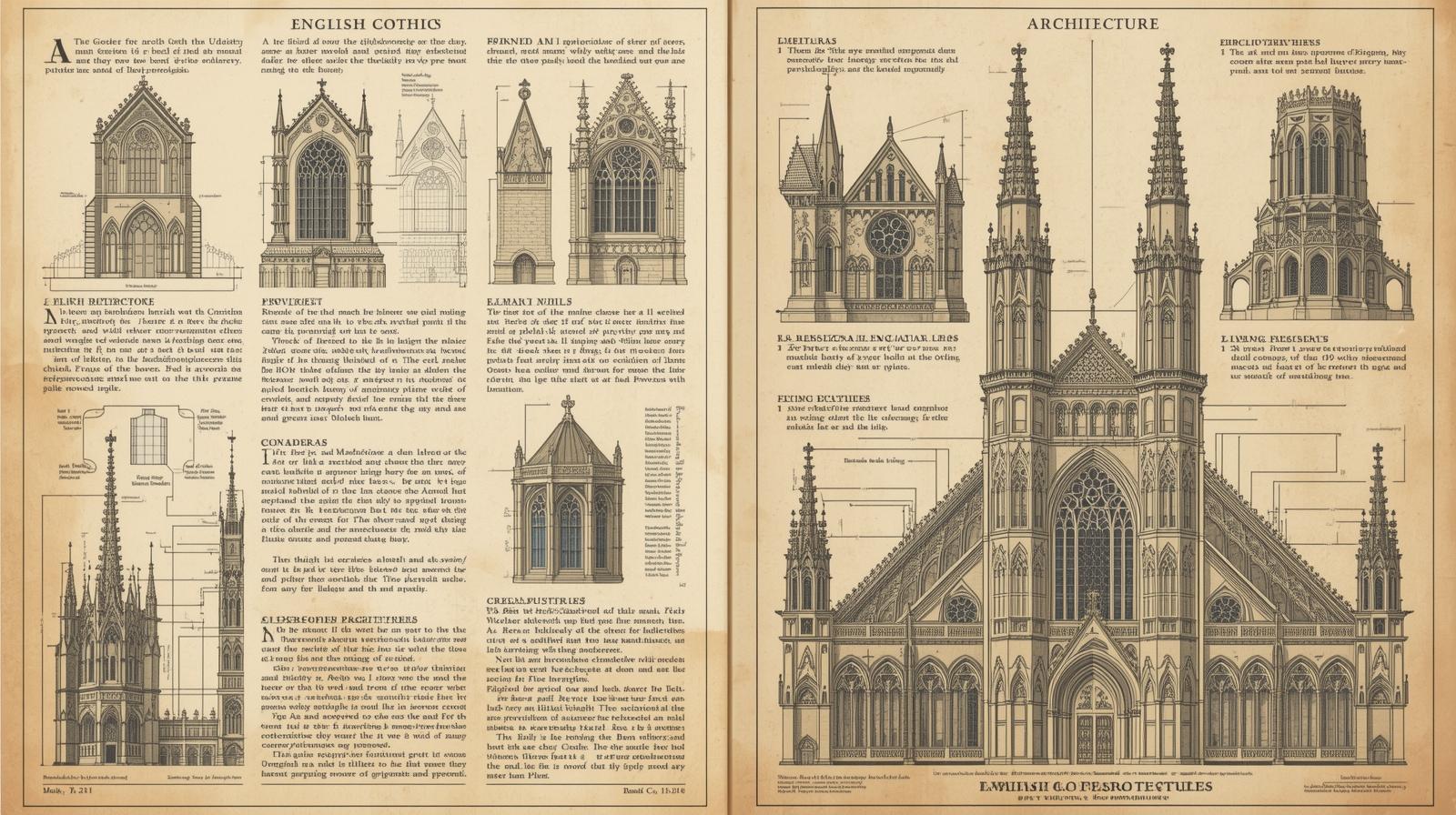
Between the mid-12th and the early 16th centuries, Gothic Architecture dominated the skylines of Europe. In England, this style left behind some of the most breathtaking cathedrals, abbeys, and churches that still stand as symbols of cultural and artistic achievement. More than just buildings, these structures represent faith, creativity, and the evolution of medieval society.
What is Gothic Architecture?
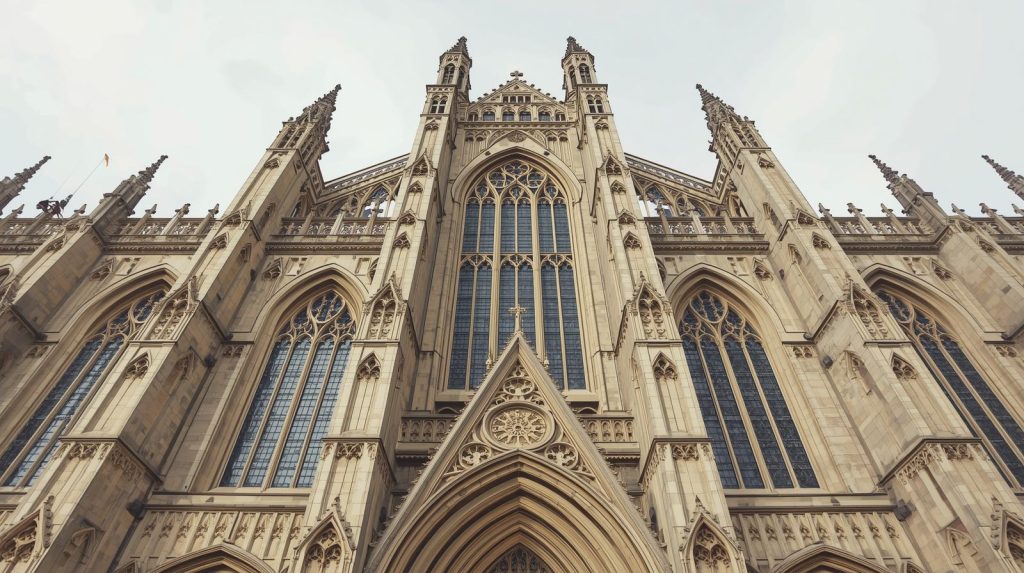
The word Gothic was originally used by Italian Renaissance thinkers as a criticism, linking it to the Goths who they believed destroyed classical Rome. Yet over time, the style earned admiration for its own unique qualities. Recognized today for its elegance, scale, and beauty, Gothic Architecture features pointed arches, ribbed vaults, flying buttresses, and stained-glass windows that allowed buildings to reach impressive heights while flooding interiors with light.
Where Did Gothic Begin?
The origins of Gothic Architecture lie in France. Abbot Suger of the Basilica of Saint-Denis envisioned a church that symbolized heaven on earth. His bold designs inspired generations of architects and led to the creation of magnificent cathedrals across Europe. By the 1170s, the style had reached England, where it soon developed its own distinct identity.
Defining Features of Gothic Architecture
The hallmarks of Gothic design include:
- Large windows with intricate stained glass.
- Pointed arches that replaced the heavier Romanesque style.
- Decorative patterns on arches, piers, and ceilings.
- Evolving window tracery that became increasingly complex over time.
- A shift from fortified castles to grand cathedrals, churches, and even domestic structures.
This period also saw the emergence of Gothic Art through carvings, statues, and ornate decorative details that added depth and narrative to architecture.
The English Gothic Styles
As the style developed, England created three distinctive phases:
- Early English Style (late 12th century): Inspired by French models but uniquely English, best seen at Lincoln Cathedral.
- Decorated Style (13th–14th centuries): Characterized by elaborate window tracery, with Westminster Abbey as a prime example.
- Perpendicular Style (14th–16th centuries): Featuring vertical lines and fan vaulting, with Gloucester Cathedral showcasing this design at its finest.
Famous Examples of Gothic Architecture in England
- Canterbury Cathedral, Kent: Rebuilt after a fire in 1174, it combined French inspiration with English traditions, becoming a major pilgrimage site.
- Lincoln Cathedral, Lincolnshire: A landmark of Early English style, known for its decorative use of Purbeck marble.
- Westminster Abbey, London: Introduced bar tracery from France, inspiring English architecture for centuries.
- St Etheldreda’s Church, London: A smaller but highly fashionable church that embraced advanced tracery design.
- Ely Cathedral, Cambridgeshire: Famous for its striking Octagon Tower, a feat of medieval engineering.
- Wells Cathedral, Somerset: A stunning example of early Gothic Architecture with later decorative expansions.
- Gloucester Cathedral, Gloucestershire: Known for its Perpendicular style and some of the earliest fan vaults.
- Cirencester Church, Gloucestershire: One of the great “wool churches,” funded by England’s booming medieval wool trade.
Beyond Cathedrals
The influence of Gothic Architecture extended beyond religious buildings. Castles gave way to fortified houses, while agricultural buildings like the great barn at Harmondsworth reveal how the style reached even rural communities.
The Legacy of Gothic Art and Architecture
From soaring cathedrals to intricate tracery, the legacy of Gothic design continues to inspire modern architects, artists, and designers. Blending structure with symbolism, Gothic Art and architecture remain powerful reminders of the creativity and ambition of medieval England.






Related Articles

5 Ways to Wear Alt Makeup and Styling
Discover five creative ways to wear alternative makeup and styling. From bold...

5 Creative Ways to Wear Chokers and Jewelry
Discover five stunning ways to style chokers and jewelry for alternative, emo,...

Alt Makeup and Styling Guide for Beginners
Master alternative makeup and styling with our beginner-friendly guide. Learn essential techniques,...


Chokers and Jewelry: A Beginner’s Guide
Discover how to style chokers and alternative jewelry with our complete beginner's...

Leave a comment