





History of Goth Fashion: Everything You Need to Know
 emopantsOctober 20, 20253 Mins read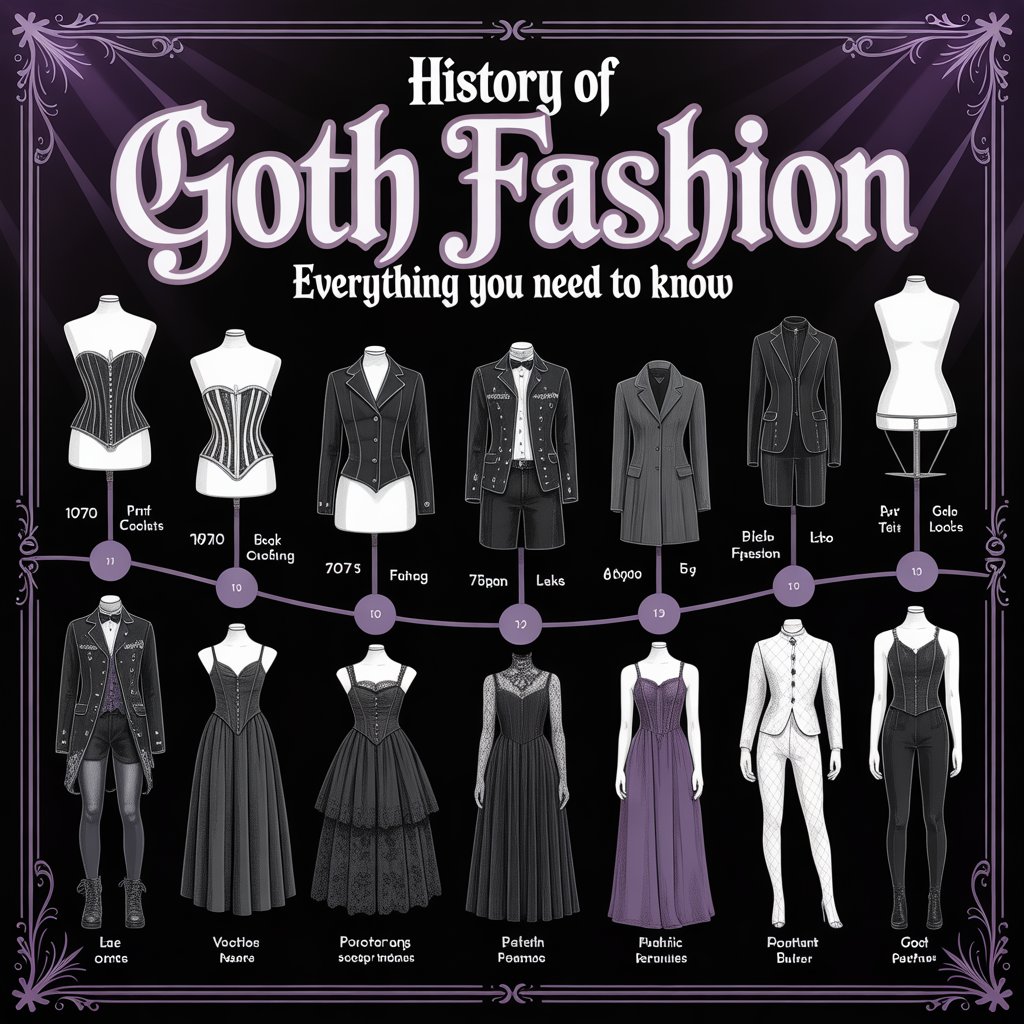
Gothic fashion has always been more than just clothing — it’s an identity, an attitude, and a timeless connection between darkness and beauty. Today, this influence extends far beyond traditional goth culture, evolving into a wider range of alternative looks like modern emo and streetwear-inspired styles such as emo pants and baggy emo pants. But where did this hauntingly beautiful fashion begin?
To truly understand the roots of gothic style, we need to trace its journey — from Victorian mourning attire to punk rebellion — and see how each era shaped what we now call goth fashion.
What is the Origin of Gothic Fashion?
The Victorians
Every story of gothic style begins with the Victorians. Their deep fascination with life, death, and mourning created an aesthetic that still inspires alternative fashion today.
In the 19th century, when Queen Victoria lost her husband, Prince Albert, in 1861, she wore black for the rest of her life. This symbolic expression of eternal grief inspired the entire upper class to adopt dark attire.
Men began wearing black suits and gloves, often with black bands on their hats. Women followed strict mourning dress codes — heavy crepe fabrics, veils, lace, and layered gowns that expressed both sorrow and sophistication.
That iconic all-black elegance didn’t fade away; it transformed into a cultural statement, inspiring everything from Victorian goth fashion to today’s emo pants culture, where dark tones, layered textures, and expressive styles continue to reflect emotion through clothing.
Glam Rock, Punk, and The New Romantics
Fast forward to the 1970s — a new energy was emerging. Glam rock’s sparkle began to fade, making room for punk’s raw edge. Then came something darker and deeper — gothic music and fashion.
In 1979, Bauhaus released Bela Lugosi’s Dead, widely regarded as the first true gothic rock anthem. Artists like Peter Murphy, Siouxsie Sioux, and Robert Smith (of The Cure) became icons of the movement — combining dark romance, rebellion, and melancholy into an unforgettable aesthetic.
Leather jackets, lace, and dramatic makeup became signatures. This expressive style soon mixed with emo culture — evolving into a softer yet equally emotional variation where baggy emo pants, oversized shirts, and layered accessories replaced Victorian corsets and lace-up boots.
The Development of the Gothic Subculture
Before the mainstream rise of goth icons, the early 20th century had already produced mysterious figures who shaped the aesthetic long before it had a name.

Theda Bara – America’s First Goth
Silent film legend Theda Bara was one of the first women to embody gothic fashion. Her bold eye makeup, dark lips, and dramatic costumes defined her persona both on and off screen. Though born Theodosia Goodman in Ohio, Hollywood reinvented her as “Theda Bara” — an anagram for “Arab death” — emphasizing her connection to mystery and darkness.
Her hand-crafted costumes and haunting beauty set the stage for gothic femininity — the same spirit that lives on today in emo and alternative fashion.
Vampira – The 1950s Gothic Queen
In the 1950s, Maila Nurmi brought gothic fashion into living rooms as Vampira, her self-created TV persona. With her tight black dress, cinched waist, and razor-sharp wit, she introduced a blend of camp, horror, and dark glamour that would later influence everything from goth icons to emo culture.
Vampira wasn’t just a character — she was a symbol of individuality and self-expression, values that echo in every pair of emo pants and in every person who chooses to express emotion through style rather than conformity.
Modern Gothic Fashion Icons
Amy Lee – Evanescence
The early 2000s revived goth and emo aesthetics in a way the world hadn’t seen before, thanks to artists like Amy Lee. Her signature corsets, long skirts, and DIY designs brought back gothic romance — but with a fresh, emotional twist that inspired a new generation to explore their darker side.
Ellie Rowsell – Wolf Alice
Blending grunge and indie with gothic influence, Ellie Rowsell represents the evolution of the dark aesthetic. Her style — equal parts vintage and modern — reflects how gothic fashion continues to adapt, much like how baggy emo pants have become a staple for mixing comfort with rebellion.
The Legacy of Goth and Emo Fashion
Gothic fashion has never been static — it’s an ever-evolving dialogue between the past and the present. From Victorian lace to modern streetwear, from corsets to emo pants, it’s all about expressing emotion through what you wear.
While goth celebrates elegance and mystery, emo takes a more personal, emotional approach — focusing on comfort, feeling, and individuality. Yet, both share the same roots: a love for the dramatic, the melancholic, and the unapologetically unique.
In today’s world, this crossover continues to inspire new generations who mix baggy emo pants, band tees, chokers, and combat boots — keeping the spirit of goth alive, just in a different form.
So, whether you’re drawn to gothic grandeur or the raw emotion of emo fashion, remember this — both styles share the same heartbeat: self-expression through darkness, beauty, and authenticity.





Related Articles
Chokers & Jewelry Trends 2026: Alternative Style Guide
Discover the hottest choker and jewelry trends for 2026 in alternative fashion....
Emo Hoodies & Tees Trend Report 2026
Discover the hottest emo hoodie and t-shirt trends for 2026. From oversized...

5 Ways to Wear Alt Makeup and Styling
Discover five creative ways to wear alternative makeup and styling. From bold...


5 Creative Ways to Wear Chokers and Jewelry
Discover five stunning ways to style chokers and jewelry for alternative, emo,...

Leave a comment