




The Ultimate Guide to Emo Music: From Hardcore Roots to Modern Emo Vibes
 emopantsNovember 5, 20252 Mins read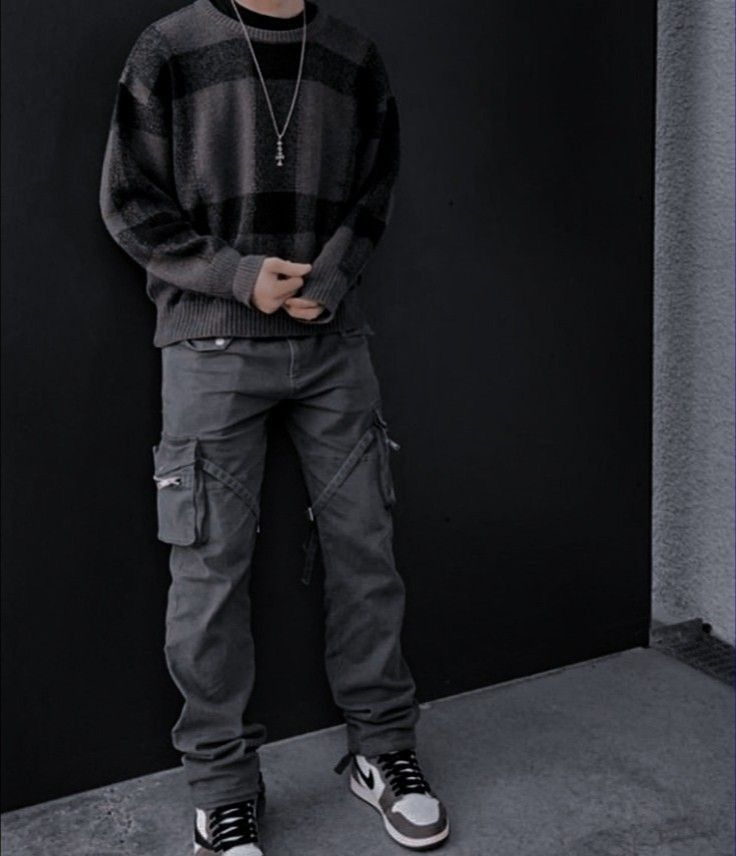
Emo music isn’t just a genre—it’s a lifestyle. From heart-wrenching lyrics to iconic fashion, emo has shaped generations of fans who connect deeply with its raw emotions and rebellious spirit. Whether you’re a longtime emo enthusiast or just discovering the scene, this guide will take you through emo’s history, evolution, influential bands, and essential tracks.
What is Emo Music?
At its core, emo is all about emotion. Born from punk rock, emo blends intense energy with deeply personal lyrics, expressing heartbreak, angst, and introspection. Over the years, emo has incorporated indie rock, pop-punk, and post-hardcore elements, creating a rich, diverse sound that resonates across generations.
Emo isn’t just music—it’s a feeling, a community, and a way of expressing identity. It’s as much about the mood and connection as it is about guitar riffs and drum beats.
The Origins of Emo Music
Emo started in the mid-1980s in Washington, D.C., with bands like Rites of Spring and Embrace pioneering a sound that shifted punk rock’s raw aggression toward deeply emotional themes. Lyrics focused on personal struggles, heartbreak, and self-reflection, creating a more introspective approach to hardcore punk.
Though critics initially used “emo” as a derogatory term, fans quickly embraced it, giving birth to a movement that would span decades.
The Evolution of Emo Music
First Wave (1980s)
Also called “emocore,” this wave was hardcore punk infused with raw emotion. Bands like:
- Rites of Spring
- Dag Nasty
- Embrace
- Gray Matter
set the foundation for emo with intense, personal music that was both cathartic and powerful.
Second Wave (1990s)
The 1990s expanded emo’s reach with melodic, introspective sounds bridging punk and indie rock. Labels like Jade Tree and Deep Elm popularized the scene. Notable bands included:
- Jimmy Eat World
- Sunny Day Real Estate
- Jawbreaker
- The Get Up Kids
This era defined the classic emo sound: heartfelt lyrics, melodic guitars, and a sense of community for fans who felt like outsiders.
Third Wave (2000s)
Emo went mainstream in the 2000s with the rise of emo-pop and screamo. Bands combined emotional lyrics with catchy hooks and polished production, reaching wider audiences. Key bands:
- My Chemical Romance
- Dashboard Confessional
- Taking Back Sunday
- Brand New
This era also brought iconic fashion—skinny jeans, band tees, and yes, emo pants like y2k emo pants baggy and emo cargo pants men, which became a staple of scene culture.
Fourth Wave (2010s-Present)
Today’s emo blends indie rock, pop-punk, and post-hardcore influences, keeping the genre fresh and innovative. New bands like:
- Modern Baseball
- The Hotelier
- Sorority Noise
carry the emo torch while exploring new emotional landscapes.
This era also celebrates diversity in fashion—cyber goth pants women, emo cargo pants men, and statement accessories are now part of modern emo culture, showing that style and music go hand in hand.
Why Emo Music Still Matters
Emo music is timeless because it resonates on a personal level. It’s more than nostalgia; it’s about connection, self-expression, and authenticity. From early hardcore roots to modern emo anthems, the genre continues to inspire musicians and fans alike.
Wearing emo-inspired clothing, like y2k emo pants baggy or cyber goth pants women, lets fans embody the emotion and attitude that define the scene. Music and fashion together create a complete emo experience.
FAQs
Q1: What is the first emo band ever?
A: Rites of Spring is considered the first emo band.
Q2: Are y2k emo pants baggy still popular?
A: Yes, they’re trending in modern emo fashion.
Q3: Can emo music be upbeat?
A: Absolutely—many pop-punk-influenced emo songs are energetic.
Q4: Do cyber goth pants women fit all body types?
A: Yes, they are designed to be versatile and stylish.
Q5: How do I style emo cargo pants men casually?
A: Pair with a band tee, hoodie, and sneakers for a perfect scene look.



Related Articles

Unleash Your Edge: Cyber Goth Pants Women, Emo Cargo Pants Men & Y2K Emo Pants Baggy Styles
If you live and breathe emo fashion, you know it’s more than...

Elevate Your Style: Goth Cargo Pants with Chains, Female Emo Pants High Waist & Skater Goth Pants Mens
Looking to rock your emo look like never before? At EmoPants.com, we...

Rock Your Style with the Best Emo Cargo Pants: Ultimate Guide to Emo Pants Baggy & Emo Pants Mens Fashion
Are you ready to transform your emo wardrobe? Nothing screams edgy and...


Rock Your Style with the Coolest Pants Emo: Ultimate Guide to Ladies Trip Pants & Tripp Pants
Step up your emo fashion game with the trendiest pants emo that...

Leave a comment